

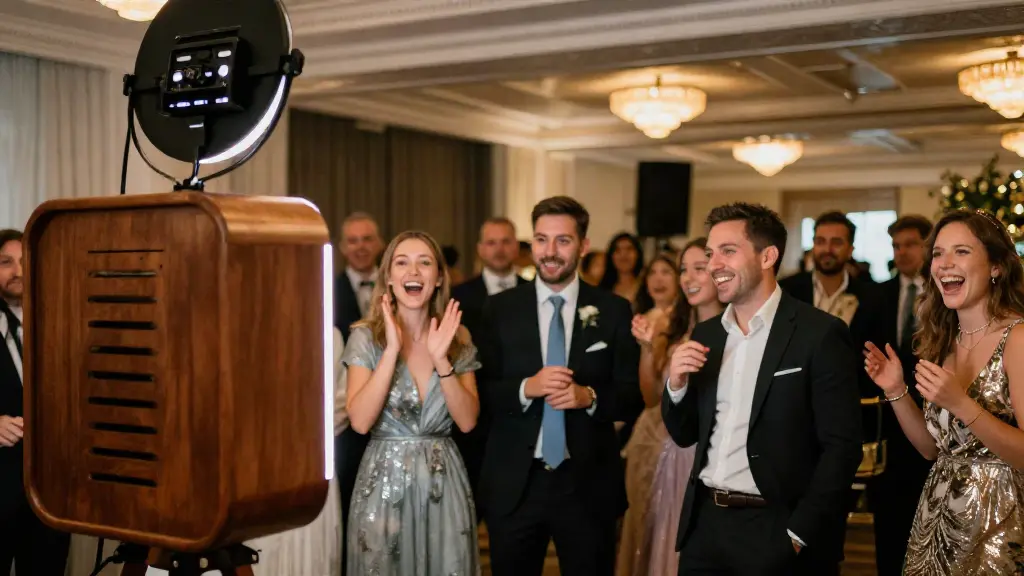
Starting a photo booth business can be a practical way to enter the UK events industry. Weddings, parties, corporate events, university balls and brand activations all need memorable guest experiences—and a well-run photo booth gives clients both entertainment and content they can keep and share.
The equipment is only one part of the business, however. To build a service that attracts bookings, you also need the right package, reliable operations, sensible pricing and a plan for reaching local customers.
This guide explains how to start a photo booth business in the UK, from choosing your first booth and estimating startup costs to setting your prices and securing your first paying clients.
Is a photo booth business a good idea in the UK?
A photo booth business has several advantages for a first-time events entrepreneur:
- You can begin part-time and take bookings around another job.
- One booth can serve several markets, including weddings, birthdays and corporate events.
- Packages can be expanded with prints, guestbooks, custom overlays, backdrops and additional hours.
- Good events create visible social proof, referrals and repeat work.
- The business can scale by adding booths, attendants or complementary event services.
It is not passive income. Weekend work, transport, setup, customer service and equipment maintenance are part of the job. Profit depends on local demand, your booking price and how consistently you sell dates—not simply on owning a booth.
Before buying equipment, research competitors within the area you are willing to cover. Record their event types, packages, prices, reviews and presentation. This will help you find a useful position in the market rather than competing on price alone.
1. Choose the type of photo booth you want to offer
Your first major decision is the experience you want to sell. Different booth types suit different clients, venues and budgets.
iPad photo booth
An iPad booth is compact, quick to set up and easy to transport. It can be a sensible entry point for parties, smaller venues and digital-first packages where guests receive images by text, email or QR code.
Choose this route if portability and simple operation matter more than studio-style image quality. Remember to check whether the iPad, software and printer are included in the price of the booth.
DSLR or mirrorless photo booth
A camera-based booth can deliver higher-quality images and greater control over lighting. This makes it a strong option for weddings, premium private events and corporate clients that expect polished results.
The trade-off is a more involved setup. You may need a compatible camera, flash, printer, computer, cables and software in addition to the booth shell.
360 video booth
A 360 booth records short videos while a moving arm travels around guests standing on a platform. It creates energetic, shareable content and can work well at parties, proms, awards nights and brand activations.
Allow for the platform’s footprint, safe operating space, barriers, lighting and an attendant. Transport and setup requirements can also be greater than for a compact iPad booth.
Wooden or vintage-style photo booth
A wooden booth combines modern technology with an appearance designed to complement weddings and styled venues. It can help you position your service toward clients who care about how the equipment looks in the room as well as the photos it produces.
For example, the BoothStation One wooden photo booth includes a touchscreen computer and lighting setup, with an optional printer stand. You can also compare Booth Station’s photo booths before deciding which format best matches your market.
2. Build a complete, event-ready equipment list
Buying the booth shell is not the same as having a reliable hire package. List every item needed to arrive, operate and recover from common problems at an event.
Essential photo booth equipment
- Photo booth shell, stand or 360 platform
- Compatible iPad, DSLR, mirrorless camera or smartphone
- Booth software and sharing system
- Professional lighting or flash
- Laptop or integrated computer, if required
- Dye-sublimation printer and print media, if you offer prints
- Backdrop and stable backdrop frame
- Extension leads, cable covers and surge protection
- Flight cases and protective bags
- Props, custom digital overlays and guestbook supplies
- Reliable internet option for venues with poor Wi-Fi
- Spare cables, chargers, adapters and consumables
- Cleaning kit and basic tools
Plan for power and equipment failure
Ask every venue where you can connect to power and whether extension cables can be safely routed. A suitable portable power station can make outdoor or awkward venue setups easier, but its capacity must match the total load and length of the booking.
Carry tested spare cables and a backup capture or sharing plan. A small spare part can prevent a technical issue from becoming a refund, a poor review or a lost venue relationship.
Prioritise lighting
Lighting has a direct effect on the quality and consistency of your images. Test your complete setup in bright rooms, dark rooms and mixed lighting before taking a paid booking. Mark the position of stands and camera settings so attendants can reproduce the result.
3. Calculate your photo booth business startup costs
The cost of starting a photo booth business in the UK varies widely. A lean digital setup may cost a few thousand pounds, while a premium camera, printer, custom booth and branded setup can move well beyond that.
Use the following table as a planning framework rather than a supplier quote:
| Startup item | What to include in your budget |
|---|---|
| Booth hardware | Shell or platform, touchscreen and stand |
| Capture equipment | iPad, camera, lens or smartphone if not included |
| Printing | Printer, media, print catcher and spare consumables |
| Lighting and backdrop | Flash or LED lighting, stands, backdrop and frame |
| Power and safety | Leads, cable covers, surge protection and backup power |
| Software | Booth software, gallery hosting and ongoing subscriptions |
| Transport and storage | Flight cases, vehicle space and secure storage |
| Branding | Website, logo, booth graphics, overlays and sample content |
| Business essentials | Insurance, contracts, accounting and data protection |
| Launch marketing | Demo event, ads, printed materials and venue visits |
At the time of writing, Booth Station lists several booth-only options from around £1,200, while premium models and configurations cost more. Prices, specifications and included components can change, so compare the live product details and build your budget from a written list of everything you still need.
Add a contingency of around 10% to 15% for overlooked accessories, delivery and early repairs. Keep some working cash available instead of spending the entire budget on equipment.
4. Set up the UK business essentials
Choose a business structure before you begin trading. Many small operators start as sole traders, while others form a limited company. The right choice affects tax, reporting and personal liability, so review the official comparison of UK business structures and seek professional advice where needed.
Your launch checklist should also cover:
- A separate business bank account or clear bookkeeping system
- Public liability and equipment insurance suitable for event work
- Employer’s liability insurance if the rules apply to people working for you
- Written booking terms, cancellation terms and a privacy notice
- Risk assessments and any safety documentation requested by venues
- Secure storage, retention and deletion processes for guest images and contact details
- Permission and a clear process for using event images in your marketing
- An invoice, deposit and balance-payment process
If you process personal data, check whether you need to register with the Information Commissioner’s Office and pay the data protection fee. Do not assume that a client’s permission automatically lets you publish every guest image. Make your capture, delivery and marketing policies clear.
Requirements differ by business and event, so treat this as a starting checklist rather than legal or tax advice.
5. Create profitable photo booth packages
Avoid copying a competitor’s price without understanding their costs. Start with the contribution you need from each booking.
Use this simple calculation:
Booking price − booking-specific costs = contribution toward overhead and profit
Booking-specific costs may include the attendant, travel, parking, print media, props, card fees and venue-specific expenses. Your fixed costs include equipment, insurance, software, storage, marketing and maintenance.
For example, imagine that:
- Your setup and launch costs are £5,000.
- You charge £495 for a booking.
- Each booking has £95 of direct costs.
- Each booking therefore contributes £400 before tax and other overhead.
On that simplified basis, it would take 13 bookings to recover £5,000 because £5,000 divided by £400 equals 12.5. Your real break-even point may be higher once you include all overhead and your own time.
A simple three-package structure
Digital package
- Two hours of booth hire
- Digital sharing
- Custom overlay
- Online gallery
- Booth attendant
Print package
- Everything in the digital package
- Instant prints
- Choice of backdrop
- Standard prop set
- Three hours of hire
Premium package
- Everything in the print package
- Guestbook or premium keepsake
- Custom props or branding
- Extended hire time
- Idle time or early setup where agreed
Give each package a clear outcome and show what makes the upgrade valuable. Add-ons such as an extra hour, duplicate prints, a guestbook, custom props and branded corporate screens can increase the value of a booking without confusing the core offer.
Take a booking fee or deposit and state when the remaining balance is due. Your contract should explain cancellation, postponement, access, power, space, setup time, image delivery and responsibility for guest behaviour.
6. Build proof before approaching customers
Customers need to imagine your booth at their event. Do not launch with supplier photos alone.
Create a styled demo that gives you:
- Photos of the full setup in a realistic venue
- Close-ups of prints, props and screen designs
- Short vertical videos showing the guest experience
- Example wedding and corporate overlays
- A sample online gallery
- A short setup or behind-the-scenes video
Make your first event look like the work you want to book. If your target is premium weddings, use a polished venue, restrained props and elegant designs. If your target is corporate activations, show custom branding, lead capture options and professional staffing.
7. Get your first photo booth bookings
Your first bookings are likely to come from direct relationships and strong local visibility rather than a large advertising campaign.
Start with your network
Tell friends, colleagues, suppliers and local business owners exactly what you offer and which areas you cover. Ask for introductions to engaged couples, party organisers, wedding planners and venue managers.
An introductory offer can help you build proof, but avoid making “cheap” your permanent position. Ask every early client for an honest review, a testimonial and permission to use selected images.
Build relationships with venues and planners
Create a short supplier pack containing:
- Clear images of your setup
- Dimensions and power requirements
- Setup and breakdown times
- Insurance information
- Package summary
- Contact details and service area
Visit local hotels, wedding venues, event spaces and planners. A dependable supplier who communicates clearly, arrives on time and protects the venue can earn repeat referrals.
Create local service pages
Your website should have a main photo booth hire page plus genuinely useful location pages for areas you actively serve. A page such as “Wedding Photo Booth Hire in Nottingham” should contain local photos, venue experience, delivery information, packages and testimonials—not the same paragraph with a different town name.
Include your service area, phone number and enquiry form prominently. Add descriptive image filenames and alt text, such as “wooden wedding photo booth at Nottingham venue”, where that wording accurately describes the image.
Use social proof consistently
Post short videos of guests using the booth, finished prints, branded overlays and venue setups. Tag participating venues and suppliers when you have permission. One real event can provide several weeks of useful content.
Respond quickly and follow up
Event clients often contact several suppliers at once. Use a simple enquiry form that captures the date, venue, event type and package needs. Respond with availability, a clear recommendation and the next step.
If the customer does not reply, send a polite follow-up. A straightforward booking process can win work even when you are not the cheapest option.
8. Deliver a reliable first event
Confirm details with the client and venue in writing. Before leaving, check:
- Event date, venue address and access contact
- Loading, parking and stairs or lift access
- Setup, start and finish times
- Available floor space and power
- Backdrop, overlay and print design approval
- Internet availability and offline backup
- Attendant dress code
- Client contact and emergency number
Arrive with enough time to test the camera, lighting, printer and sharing workflow before guests enter. After the event, deliver the gallery when promised, request a review and record any changes that would improve the next booking.
A 30-day photo booth business launch plan
Week 1: Research and numbers
- Choose your target customer and service area.
- Review local competitors and venues.
- Select a booth type.
- Build a complete startup budget and break-even calculation.
Week 2: Business and equipment
- Choose your business structure.
- Arrange appropriate insurance and paperwork.
- Order or test your equipment.
- Draft packages, terms and payment stages.
Week 3: Brand and proof
- Create your website and Google Business Profile.
- Photograph and film a styled demo.
- Prepare example overlays and galleries.
- Ask a small group to test the complete guest journey.
Week 4: Sales
- Contact local venues and planners.
- Announce the service to your network.
- Publish your demo content.
- Follow up with every lead and ask for the booking.
Frequently asked questions
How much does it cost to start a photo booth business in the UK?
A realistic budget depends on whether you choose an iPad, camera or 360 setup and whether printing equipment is included. The booth itself may begin in the low thousands, but you must also budget for the capture device, lighting, software, cases, printing, insurance, transport, branding and marketing. Build an itemised budget from live supplier prices before purchasing.
Do I need a licence to run a photo booth business in the UK?
There is no single general “photo booth business licence”, but your circumstances may create other legal, venue, insurance, employment or data-protection responsibilities. Check the government guidance for your business activity and location, and take professional advice where appropriate.
Can I start a photo booth business from home?
Many operators store and manage their equipment from home, provided they have enough secure, dry storage and suitable transport. Check your tenancy or mortgage terms, insurance, local restrictions and whether customers or staff will visit the property.
Is an iPad or DSLR photo booth better?
An iPad booth is usually simpler and more portable, while a DSLR or mirrorless setup gives you more control over image quality and lighting. The better choice is the one that matches your target events, pricing and transport capacity.
How much should I charge for photo booth hire?
Set your price from your direct costs, overhead, labour, local market and desired profit. Compare competitors for context, but do not copy a price that may be based on different equipment or costs. Offer a few clear packages and charge separately for meaningful upgrades.
How can I get my first photo booth booking?
Start with a strong demo, contact your existing network and build relationships with local venues and planners. Make the service easy to understand, reply quickly and ask early clients for reviews and referrals.
Ready to start your photo booth business?
A successful photo booth business begins with more than a camera and a stand. Choose equipment that suits your target events, budget for the complete setup, price each booking properly and build relationships with the people already serving your ideal clients.
If you want help choosing a first booth, compare professional photo booths for sale in the UK or speak to the Booth Station team about your event type, budget and growth plans.